If you have spent more than 48 hours in the B2B space, you’ve likely felt the weight of the "Commodity Trap." You sell office equipment or SaaS, and suddenly, you realize your prospect views you exactly like the vendor they hired last year—or the one they fired last week. The logos on your site, like Worldvectorlogo, look sleek, but your sales team is still fighting a war of attrition where the only differentiator is a 2% discount.
Here is the hard truth: In a market defined by sameness, being the "cheapest" is a race to the bottom that you will eventually lose. The only way to escape the gravity of a commodity market is to build a trust flywheel.
What is the Trust Flywheel?
A trust flywheel isn't a marketing campaign. It’s an operational engine that turns every customer interaction into fuel for your next sale. When trust is at the center of your positioning, you stop chasing leads and start attracting them.
Most B2B companies treat trust as a static asset—a badge on a footer or a quote buried on a testimonial page. A flywheel, however, is kinetic. It gathers momentum. It’s the compounding effect of operational excellence, transparent pricing, and verifiable results.
The Friction of Sameness
Why do buyers hesitate? It’s rarely about the feature list. It’s about the perceived risk. When a prospect lands on your site, they are scanning for reasons to say "no." They are looking for the hidden fees, the vague "contact for pricing" buttons, and the stock photos that scream "corporate generic."
Take the office equipment industry as a prime example. For years, dealers hid their costs behind layers of sales discovery calls. Companies like eCopier Solutions have started to flip this script. By providing a build-a-quote tool on their site, they aren’t just offering a calculator; they are signaling, "We have nothing to hide."
Transparency is a shortcut to trust. When you remove the friction of the "call us for a price" gate, you allow the buyer to self-qualify. That is the first spark of your flywheel.
The Anatomy of the Flywheel
To get your flywheel spinning, you need to align three specific pillars: Brand Compounding, Operational Excellence, and Radical Pricing Transparency.
1. Brand Compounding (Trust Sales Reviews)
Stop hiding your trust sales reviews at the bottom of your homepage. If your testimonials aren't driving the conversation, they aren't working. Brand compounding happens when your social proof speaks to the *specific* pain point of your buyer, not just general praise.
A good review shouldn't say "They are a great company." It should say, "They replaced our entire fleet in 48 hours without a single minute of downtime." That is a specific trust marker that others in your industry can’t easily replicate.
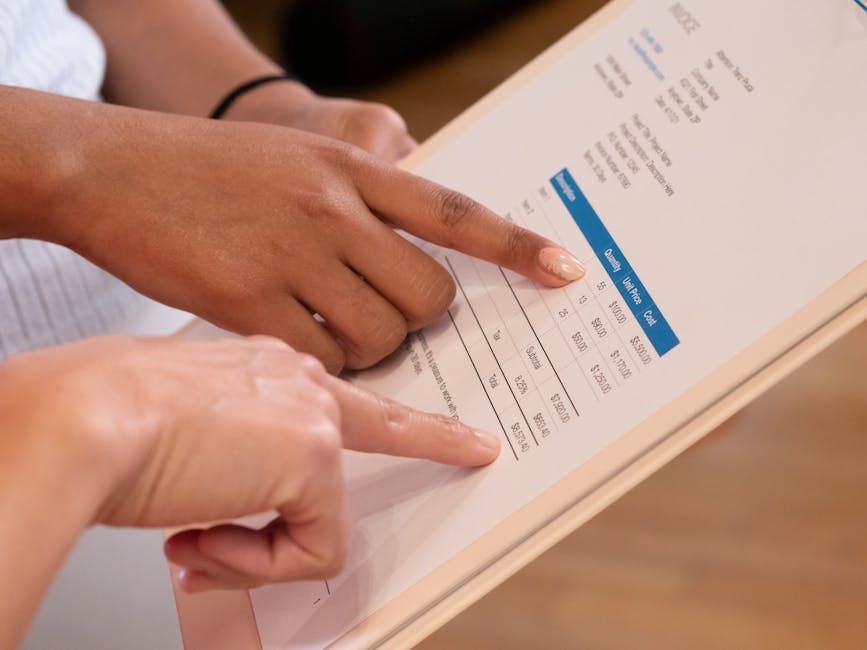
2. Operational Excellence as a Branding Tool
Your operations are your best marketing. If you promise 99% uptime or 24-hour delivery, your website needs to reflect that commitment. The moment a client experiences a seamless onboarding process, the flywheel gains speed. You are no longer just selling a box or a license; you are selling the confidence that the job will be done right.

3. Clear Pricing Beats Cheap Pricing
Cheap pricing attracts bad clients. Clear pricing attracts *right* clients. When you list your pricing—or provide tools like those found at ecopiersolutions.com—you immediately filter out the "tire kickers" and convert the serious buyers.
Comparing Commodity vs. Trust-First Positioning
Look at the table below to see how the "Trust Flywheel" shifts the conversation away from the commodity trap.
Feature Commodity Approach Trust-First Approach Pricing Hidden, "Call for Quote" Transparent, Self-Serve Tools Sales Cycle High pressure, low info Educational, high-transparency Reviews Buried in footers Integrated into sales process Value Prop "We have better features" "We have zero downtime" Customer View "Just another vendor" "A strategic partner"Building Your Referral Engine
A trust flywheel eventually becomes a self-sustaining referral engine. When you treat every interaction as an opportunity to build trust, your customers become your loudest advocates. But this doesn't happen by accident. You must design the "referral" into the product experience.
- Automate the "Win": After a successful implementation, ask for the testimonial while the dopamine of the "win" is still high. Make sharing easy: Give your existing clients assets they can forward to peers. Focus on the "After": Don't just track sales; track customer outcomes. If they succeed, they tell two more people.
Avoiding the "Corporate Generic" Trap
I’ve audited hundreds of B2B sites. The biggest mistake? Trying to look "big" instead of "real." Using generic icons from Worldvectorlogo is fine, but if your site lacks the human touch of actual data, actual pricing, and actual customer stories, you will remain a commodity.
Avoid words that mean nothing. Stop calling yourself a "solutions provider." A "solution" is what a chemist makes. A business partner is someone who solves problems. Be precise.
How to Audit Your Own Flywheel
The 30-Second Test: If a stranger lands on your pricing page, can they figure out if they can afford you in under 30 seconds? If not, you’re losing prospects to friction. The "Hesitation" Moment: Identify the page where people drop off. Is there a hidden price? An intrusive form? Remove the barrier. The Review Audit: Are your reviews specific? If they aren't, go back to your best clients and ask them to tell you exactly how you saved them money or time.Conclusion: Start Spinning
Building a trust flywheel is not about overnight success. It’s about the compounding interest of being the most transparent, reliable, and accessible company in your niche. When you make it easy for the buyer to choose you, you aren't just selling a product—you're selling certainty. And in a world of B2B ambiguity, branding for office equipment dealers certainty is the ultimate premium.
Take the first step today: Look at your pricing, look at your testimonials, and ask yourself: "Does this make the buyer's life easier, or is it just another hurdle?" Then, remove the hurdle. Your flywheel is waiting to spin.